Farm sustainably, for both nature and people
-
Nurturing the soil
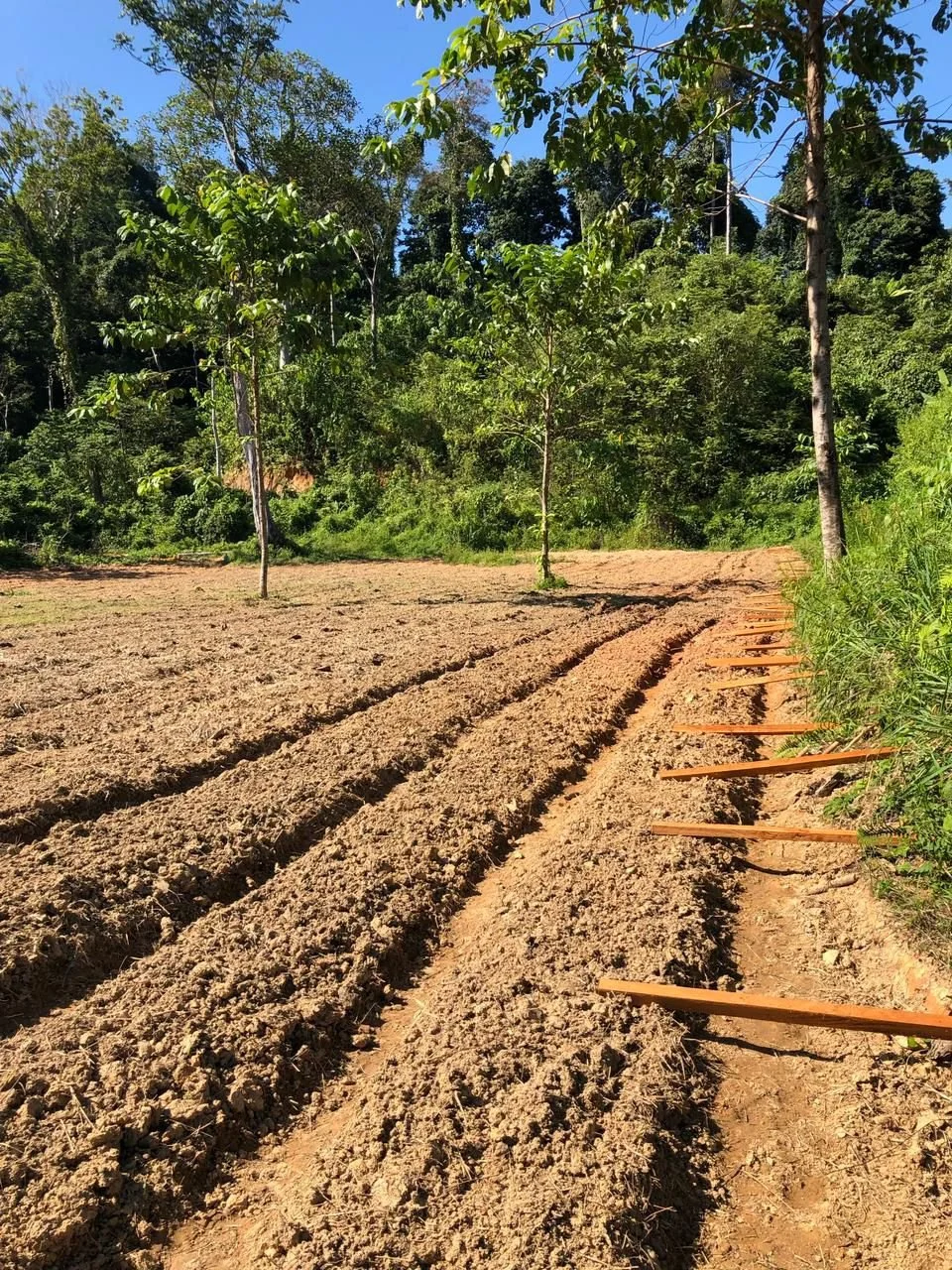
To keep the soil alive and the farmers’ income steady, we use a rotational system.
After two years of cultivating patchouli, we let the land rest and recover by planting banana, corn, and peanuts.
Each crop plays a role: banana restores potassium and organic matter, corn helps rebuild soil structure, and peanuts fix nitrogen naturally.
This cycle allows the soil to regenerate before the next patchouli replanting, maintaining productivity without synthetic inputs while giving farmers short-term harvests to sustain their income between patchouli cycles.
-
Planting organically
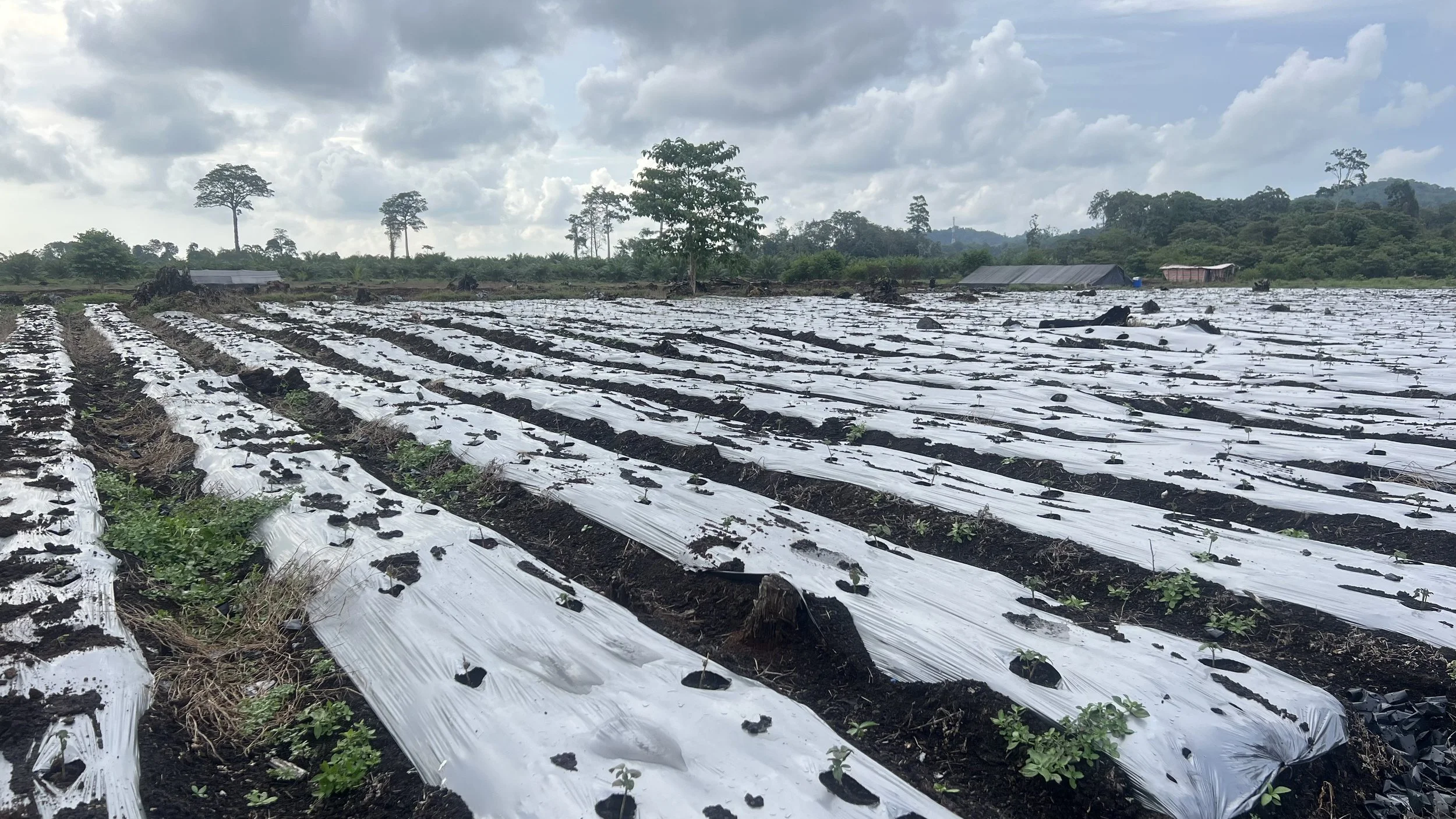
We start from the soil. Every bit of waste from distillation and harvest, like leaves and stems, is mixed with manure and fermented with EM4 for about six months. That becomes our fertilizer.
On top of that, we lay patchouli compost as mulch. It’s slow, but even in some of our peatland plots, we see earthworms returning. That’s how we know the land is breathing again.
We use no herbicides or pesticides. Farmers handle weeds manually or with machines, protected by plastic or organic mulch. It’s labor-intensive, but it keeps our soil clean and our oil pure.
-
Supporting the farmers
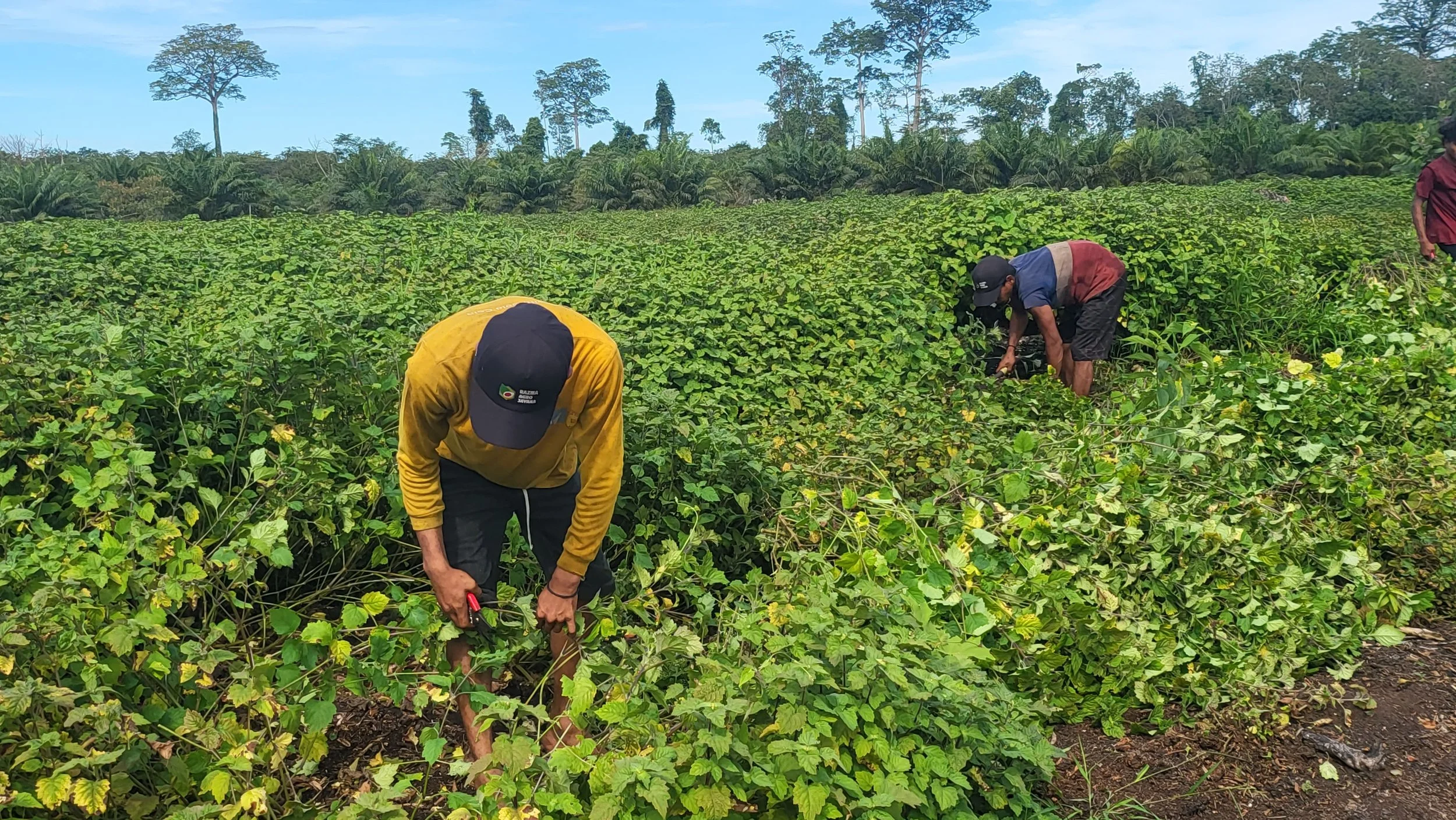
Our farmers are mostly smallholders, many of them women and youth. We train them and guarantee a base price so they’re no longer dependent on middlemen who buy below cost.
It’s still informal today, but we’re building the foundation for a future cooperative that will give them collective strength.
-
Protecting the forest
Most importantly, we grow responsibly. Many of our farms are close to protected forests, so we monitor land use carefully.
We assure our buyers that we don’t open new forest land. We work only on existing plots and rehabilitate what’s been abandoned.
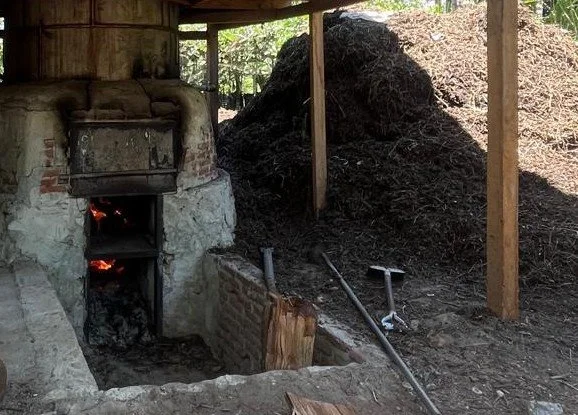
For energy, we recycle everything. Patchouli stems and fallen wood are used as biofuel for our distillation. We’re improving efficiency step by step, transitioning to cleaner energy without sacrificing quality or productivity.